

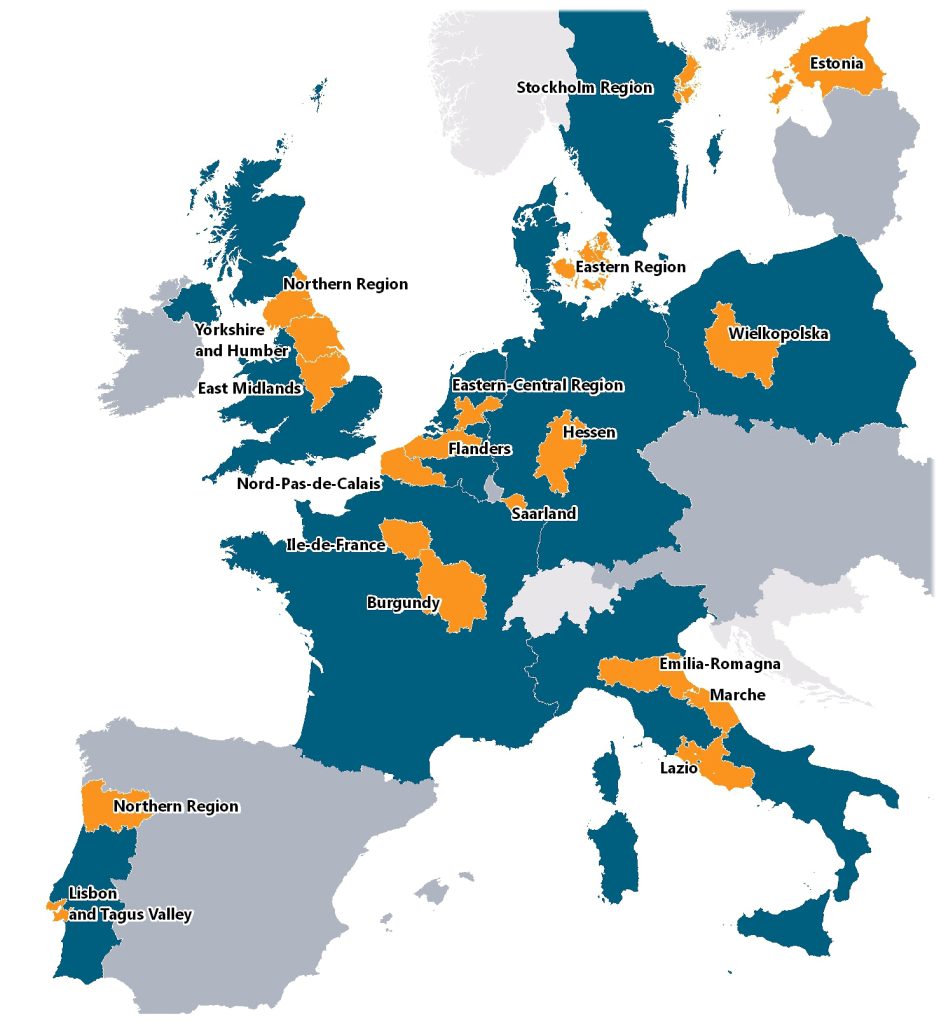
19 regions from 11 EU Member States participate in the EPICE and SHIPS projects.
You can click on the map to enlarge it.

Flanders
This region has a population of over 68,000 total births and 1,250 very preterm births per year in 68 maternity units with 8 neonatal units. Data are routinely collected in a NICU dataset on low birth weight infants.
Flemish Centre for Study of Perinatal Epidemiology (SPE)
The Flemish Centre for Study of Perinatal Epidemiology is an non-profit association, created in 1987 by gynaecologists and paediatricians with the aim of improving perinatal health. SPE was responsible for perinatal data collection and for the follow-up at 2 years of age. This work was headed by the Principal Investigator Patrick Van Reempts and Evelyne Martens and Guy Martens from the SPE.
Centres for Developmental Disabilities (CDD) in the University Hospitals of Flanders
The University of Antwerp has taken over as partner for the 5 year follow-up in the SHIPS project under the direction of Jo Lebeer. The study will be carried out in the Centres for Developmental Disabilities at the University Hospitals of Antwerp, Leuven, Gent & Brussels.
Contact person in Belgium
Jo Lebeer (UAntwerp)
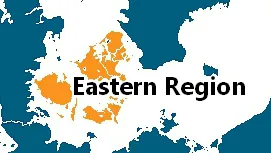
Eastern Region
This region has a population of over 34,000 total births and 630 very preterm births per year in 10 maternity units with 9 neonatal units. Neonatal data collection is carried out by the birth hospital registry.
Hvidovre University Hospital, Department of Neonatology
Hvidovre Hospital is affiliated with the University of Copenhagen. Academic staff participates in pre- and postgraduate medical training while conducting clinical and basic research of high standards. The Danish SHIPS team has 25 years of experience of clinical care in fetal, perinatal and neonatal medicine, population based perinatal and neonatal epidemiological studies and follow-up studies of preterm infants (EPICE, MOSAIC and the Danish ETFOL study).
Contact persons in Denmark
Klaus Boerch, Pernille Pedersen (Hvidovre Hospital)
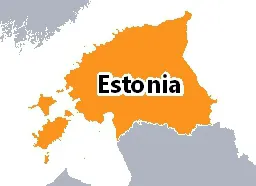
Estonia has a population of over 15,800 births and 300 very preterm births per year in 15 maternity units with 7 neonatal units.
Tartu University, Children’s Clinic
University of Tartu coordinates the implementation of the SHIPS study protocol in Estonia. From 2007 to 2008, they collected prospective data for all hospitalized newborns, including infants born less than 32 weeks, for the neonatal pilot register in Estonia.
Contact person in Estonia
Heili Varendi (University of Tartu)
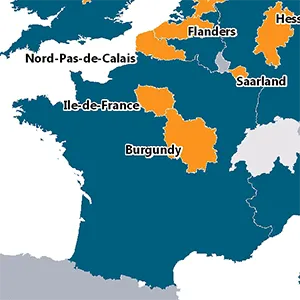
Burgundy, Ile-de-France and the Northern region
Three regions are included in France. These regions have a population of over 256,200 total births and 4,000 very preterm births per year in 151 maternity units with 43 neonatal units.
The SHIPS will be carried out in tandem with a national population-based cohort study on very preterm deliveries, the EPIPAGE 2 study. Three regions participating in the EPIPAGE 2 project also participate in SHIPS. For more on the EPIPAGE project, see https://epipage2.inserm.fr/
The INSERM UMR 1153 unit has been active in perinatal epidemiology since 1975. Its research focuses on increasing the knowledge necessary for defining and applying effective health practices and policies in the fields of perinatal, women’s and children’s health. The unit uses epidemiological methods, experimental studies and qualitative approaches.
Contact person in France
Jennifer Zeitlin (INSERM UMR 1153)
Regional contact persons
Burgundy: Antoine Burguet (CHU Dijon)
Ile-de-France: Pierre-Henri Jarreau (Hôpital Cochin-Port Royal, Paris)
Northern region: Patrick Truffert (Hôpital Jeanne de Flandre, Lille)
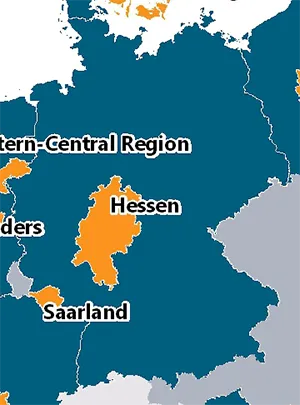
Hessen and Saarland regions
Two regions are working together in Germany: Hessen and Saarland. These regions have a population of over 55,500 total births and 1,200 very preterm births in 79 maternity units with 18 neonatal units. Data are collected in the Perinatal and Neonatal Survey.
The Philipps University Marburg – Department of Pediatrics is responsible for data collection in the two regions along with the Institute of Quality Assurance in Hesse and the University of the Saarland – Pediatric and Neonatal Clinic in Saarland.
Contact person in Germany
Rolf Maier (Philipps University Marburg)
Regional contact persons
Hessen: Rolf Maier (Philipps University Marburg)
Saarland: Ludwig Gortner (University of the Saarland)
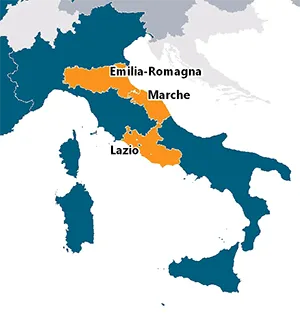
Emilia-Romagna and Lazio
Two of the three EPICE regions are included in the SHIPS project in Italy: Emilia-Romagna and Lazio. Both have on-going data collection on all newborns below 32 weeks of gestational age, or below a birth weight of 1500 g. The Bambino Gesù Pediatric Hospital (OPBG) is responsible for the data collection in both Lazio and Emilia-Romagna.
Bambino Gesù Pediatric Hospital (OPBG)
The Clinical Care and Management Innovation Research Area at OPBG carries out research in perinatal epidemiology and follow-up of high risk infants; quality of life in patients with chronic conditions; evaluation of health care; clinical and research ethics. It also carries out qualitative research related to health care practices and quality of life.
Contact persons in Italy: Marina Cuttini (OPBG)
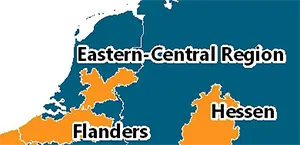
Eastern-Central Region
Radhoud University Medical Centre
In the Netherlands, the Central and Eastern Region participates in this project. This region has a population of over 45,000 total births and 500 very preterm births per year in 23 maternity units and neonatal units.
This region covers the catchment areas of the two large level III perinatal centers in Utrecht and Nijmegen. Data are routinely collected in a NICU dataset on low birth weight infants. Radhoud University Medical Centre is responsible for data collection in collaboration with Utrecht University Medical Centre.
Contact person in the Netherlands
Arno van Heijst
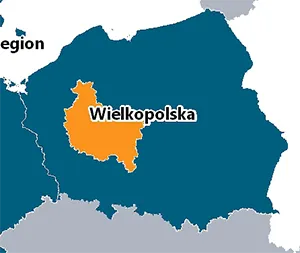
Wiekopolska region
This region has a population of 35,000 to 40,000 total births and 740 very preterm births in 37 maternity and neonatal units.
Poznan University of Medical Science, Department of Neonatology
The Poznan University is a leading Polish medical centre with over 90 years of academic experience. Teaching and research are mainly based on collaboration with 5 clinical hospitals as well as with the other city hospitals. The Chair and Department of Neonatology is responsible for data collection in Poland.
Contact persons in Poland
Janusz Gadzinowski (Poznan University), Jan Mazela (Poznan University)
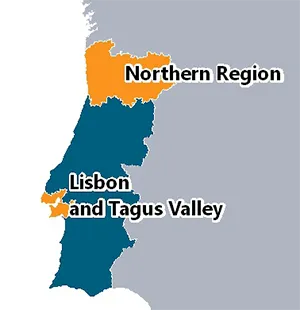
Lisbon and Tagus Valley, and the Northern region
Two regions are working together in Portugal: Lisbon and Tagus Valley region and the Northern region. These regions have a population of over 60,000 total births and 1,200 very preterm births per year in 30 maternity units with 18 neonatal units.
A national registry of very low birth weight infants is in place in Portugal. The University of Porto is responsible for data collection in the two Portuguese regions in collaboration with the Centro Hospitalar Lisboa Norte in Lisbon and Tagus Valley region.
University of Porto
Institute of Public Health
The mission of the Institute of Public Health (ISPUP) is to contribute to the development, dissemination and application of new knowledge in the public health domain, to stimulate research and training, and to improve and to protect population health. The ISPUP has extensive experience with methodological and substantive epidemiologic research, mainly based on three population cohorts – adults, adolescents and newborns – focusing on genetic and environmental health determinants with particular attention to perinatal, cardiovascular and oncologic diseases and to the determinants and consequences of psychosocial and behavioural factors.
Department of Clinical Epidemiology, Predictive Medicine and Public Health
The Epidemiology Research Unit (EPIUnit) (Ref UID/DTP/04750/2013) was created at the Institute of Public Health of the University of Porto to scale up a large body of experience and internationally competitive research on this fundamental area of health. It covers the population, clinical and translational aspects of epidemiology within a strong metric and qualitative research environment.
Contact persons in Portugal
Henrique Barros (FMUP, ISPUP), Carina Rodrigues (FMUP,ISPUP)
Contact person in Northern region
Carina Rodrigues (ISPUP)
Contact person in Lisbon and Tagus Valley
Maria do Céu Machado
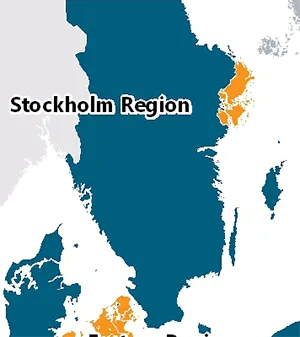
Stockholm Region
SHIPS connects to the Swedish national collaborative project (EXPRESS – Extremely Preterm Infant Study in Sweden) which has been in operation since 2003. This region has a population of over 30,000 total births and 300 very preterm births per year in 6 maternity units with 4 neonatal units.
Karolinska Institute
Department of Women’s and Children’s Health, Division of Neonatology
Karolinska Institutet (KI) in Stockholm is a medical university conducting more than 40 percent of all academic medical research in Sweden. The clinical research is closely linked to Karolinska University Hospital. Epidemiology and Perinatal Research hold strong positions, both at KI and the University hospital.
Contact persons in Sweden
Ulrika Adén (KI), Anna-Karin Edstedt Bonamy (KI)
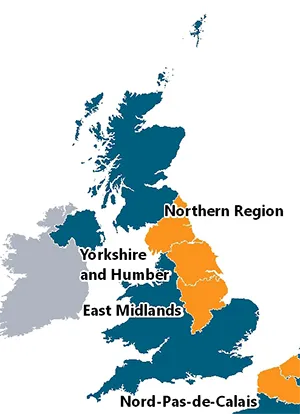
East Midlands, Yorkshire and Humber, and Northern regions
Three regions are working together in the UK: East Midlands, Yorkshire and Humber, and Northern. These regions have a population of over 154,000 total births and 2,900 very preterm births per year in 53 maternity units with 44 neonatal units.
Neonatal data collection is carried out by The Neonatal Survey for the East Midlands and Yorkshire and Humber regions and a similar system is used by the Northern Neonatal Network for the Northern region. The TIMMS group is responsible for data collection in the three British regions in collaboration with the Northern Neonatal Network in the Northern region.
University of Leicester
The Infant Mortality and Morbidity Studies (TIMMS) group, Department of Health Sciences
The Infant Mortality and Morbidity Studies (TIMMS) group is a collaborative a group of perinatal and paediatric epidemiological studies covering local, regional, national and international populations, developed to investigate the causes, consequences and management of specific aspects of the morbidity and mortality of the fetus, infant and child.
Contact person in the UK
Elizabeth S Draper (University of Leicester)